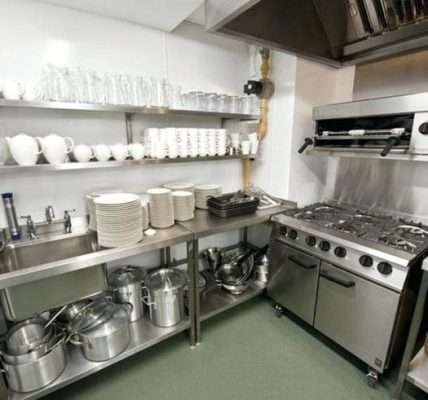
Creating the perfect outdoor space for grilling and entertaining is a dream for many homeowners. A thoughtfully designed barbecue outdoor kitchen design transforms a simple patio into a culinary oasis, allowing you to prepare delicious meals and enjoy the company of friends and family in the fresh air. The possibilities are endless when it comes to designing your ideal space, from simple built-in grills to elaborate kitchens with all the amenities. Ultimately, the best barbecue outdoor kitchen design should reflect your personal style and cater to your specific needs and cooking habits, creating a functional and beautiful extension of your home.
Planning Your Barbecue Outdoor Kitchen
Before you start building, careful planning is essential. Consider these key aspects:
- Space Availability: Measure your available area and determine the optimal layout. Think about traffic flow and ensure enough space for cooking, food preparation, and seating.
- Budget: Establish a realistic budget and stick to it. Costs can quickly escalate with high-end appliances and materials.
- Utilities: Plan for necessary utilities such as gas, water, and electricity. Consider the cost and feasibility of running these utilities to your outdoor kitchen area.
- Climate: Choose materials that can withstand the local climate; Consider weather protection options such as pergolas or awnings.
Essential Elements of a Barbecue Outdoor Kitchen
A well-equipped outdoor kitchen typically includes these components:
The Grill
The heart of any outdoor kitchen is, of course, the grill. Choose a grill that suits your cooking style and frequency of use. Options include:
- Gas Grills: Convenient and easy to use, offering consistent heat.
- Charcoal Grills: Provide a smoky flavor that many grilling enthusiasts prefer.
- Pellet Grills: Offer precise temperature control and a wide range of cooking options.
- Kamado Grills: Known for their versatility and ability to maintain temperature for long periods.
Countertops and Storage
Durable countertops are crucial for food preparation. Choose materials like granite, concrete, or stainless steel that can withstand the elements. Adequate storage is also essential for keeping your outdoor kitchen organized and clutter-free. Consider built-in cabinets, drawers, and shelving.
Sink and Refrigerator
A sink is incredibly useful for washing hands and preparing food. An outdoor refrigerator keeps drinks and perishable items cold and readily accessible, minimizing trips back inside the house. These additions add functionality and convenience to your outdoor cooking experience.
Barbecue Outdoor Kitchen Design Styles
There are countless design styles to choose from, allowing you to create an outdoor kitchen that complements your home’s aesthetic. Consider these popular options:
- Rustic: Features natural materials like stone, wood, and brick.
- Modern: Emphasizes clean lines, minimalist design, and stainless steel finishes.
- Traditional: Incorporates classic elements like ornate cabinetry and decorative accents.
- Coastal: Utilizes light and airy colors, nautical accents, and weather-resistant materials.
Adding ambient lighting will extend the usability of the space into the evening. Landscape lighting can highlight the surrounding greenery and create a welcoming atmosphere. Think about seating arrangements and the overall flow of the space to ensure a comfortable and enjoyable experience for you and your guests.
Ultimately, the perfect barbecue outdoor kitchen design is one that meets your specific needs and reflects your personal style. With careful planning and attention to detail, you can create an outdoor oasis that will provide years of enjoyment.
Let’s delve deeper into some specific considerations to ensure your outdoor kitchen is both functional and aesthetically pleasing. Remember that careful planning now will save you headaches and potential rework later.
Material Selection: Durability and Aesthetics
Choosing the right materials is paramount for longevity and visual appeal. Don’t skimp on quality, especially when it comes to surfaces that will be exposed to the elements. Here’s a breakdown of popular options:
- Countertops:
- Granite: Highly durable, heat-resistant, and available in a wide range of colors. Requires sealing.
- Concrete: Versatile, can be custom-colored and shaped. Requires sealing and can be prone to cracking.
- Tile: Offers design flexibility and is relatively inexpensive. Requires grout maintenance.
- Stainless Steel: Hygienic, easy to clean, and weather-resistant. Can be prone to scratches and dents.
- Cabinetry:
- Marine-Grade Polymer: Waterproof, UV-resistant, and requires minimal maintenance.
- Stainless Steel: Durable and weather-resistant but can be expensive.
- Treated Wood: Requires regular sealing and maintenance to prevent rot and decay.
- Flooring:
- Pavers: Durable, slip-resistant, and available in various styles.
- Concrete: Cost-effective and can be stained or stamped.
- Tile: Choose exterior-grade tile that is frost-resistant and slip-resistant.
- Composite Decking: Low-maintenance and resists fading, staining, and scratching.
Optimizing Functionality and Flow
Consider the “work triangle” – the relationship between the grill, sink, and refrigerator. Aim to create a layout that minimizes steps and allows for efficient food preparation. Think about where you’ll be doing most of your tasks and position elements accordingly. Some key considerations include:
- Grill Placement: Position the grill away from seating areas to minimize smoke exposure. Consider prevailing winds when determining the best location.
- Prep Area: Ensure ample counter space for chopping, mixing, and plating; Consider adding a cutting board insert or a pull-out prep station.
- Storage Solutions: Maximize storage by incorporating drawers, cabinets, and shelving. Think about storing frequently used items within easy reach.
- Lighting: Install task lighting over the grill and prep areas. Add ambient lighting to create a warm and inviting atmosphere.
Enhancing the Entertainment Value
Your outdoor kitchen should be a place where you can relax and enjoy the company of friends and family. Consider adding features that enhance the entertainment value, such as:
- Bar Seating: Create a casual gathering spot with a built-in bar and stools.
- Outdoor Audio System: Install weatherproof speakers and a sound system for music and entertainment.
- Television: Add an outdoor television for watching sports or movies.
- Fire Feature: Incorporate a fire pit or fireplace to create a cozy and inviting atmosphere.
Remember to consult with qualified professionals for plumbing, electrical, and gas line installations. Safety should always be a top priority. By carefully considering these factors, you can create a barbecue outdoor kitchen design that is both beautiful and functional, providing years of enjoyment for you and your loved ones.
Navigating Permits and Regulations
Before you break ground on your dream outdoor kitchen, it’s crucial to investigate local building codes and permitting requirements. These regulations can vary significantly depending on your location, so don’t assume anything! Failure to obtain the necessary permits can lead to costly delays, fines, or even the need to dismantle your newly constructed space. Here’s what you need to consider:
- Zoning Regulations: These rules dictate what types of structures are allowed in your area. You may need to adhere to specific setbacks from property lines or restrictions on the size of your outdoor kitchen.
- Building Permits: These permits ensure that your construction meets safety standards. They are often required for any structural modifications, plumbing, electrical, or gas line installations.
- Electrical Codes: Outdoor electrical work must comply with strict safety regulations to prevent shocks and fires. Hire a licensed electrician to handle any electrical installations.
- Plumbing Codes: If you’re installing a sink or other water features, you’ll need to comply with local plumbing codes. This typically involves inspections to ensure proper drainage and prevent water contamination.
- Gas Line Permits: Connecting a gas line to your grill or other appliances requires a permit and should only be done by a qualified gas fitter.
Contact your local building department to obtain the necessary information and applications. Be prepared to submit detailed plans and specifications for your outdoor kitchen. It’s always best to err on the side of caution and obtain all required permits before starting any construction work.
Budgeting and Cost Considerations
Creating an outdoor kitchen can be a significant investment, so it’s essential to establish a realistic budget before you begin. Costs can vary widely depending on the size and complexity of your project, the materials you choose, and whether you hire professionals or do the work yourself. Here are some factors to consider when budgeting for your outdoor kitchen:
- Grill and Appliances: The cost of your grill and other appliances can range from a few hundred dollars to several thousand dollars, depending on the brand, features, and quality.
- Construction Materials: The cost of lumber, concrete, stone, and other materials will depend on the size of your kitchen and the materials you choose.
- Countertops and Cabinetry: These are often the most expensive components of an outdoor kitchen. Consider the durability and weather resistance of different materials when making your selection.
- Plumbing and Electrical Work: Hiring licensed professionals for plumbing and electrical work can add significantly to the cost of your project.
- Permits and Inspections: Factor in the cost of obtaining building permits and inspections.
- Landscaping and Site Preparation: You may need to clear the area, level the ground, and install landscaping.
- Contingency Fund: Always set aside a contingency fund to cover unexpected costs or changes in plans.
Get quotes from multiple contractors and suppliers to compare prices. Consider doing some of the work yourself to save money, but only if you have the necessary skills and experience. It’s better to hire a professional for tasks that require specialized knowledge or could be dangerous if done incorrectly. A well-planned barbecue outdoor kitchen design deserves careful budgeting to ensure you achieve your dream without breaking the bank.
Careful consideration of these legal and financial aspects is paramount before you even start thinking about design aesthetics. Remember, a well-planned project leads to a successful and enjoyable outdoor cooking experience!




Author